
Ozark terrain and weather both shape what a safe commute looks like around Springfield — hills and curves change how the road handles, and the region sees real seasonal swings from summer storms to icy winter mornings.
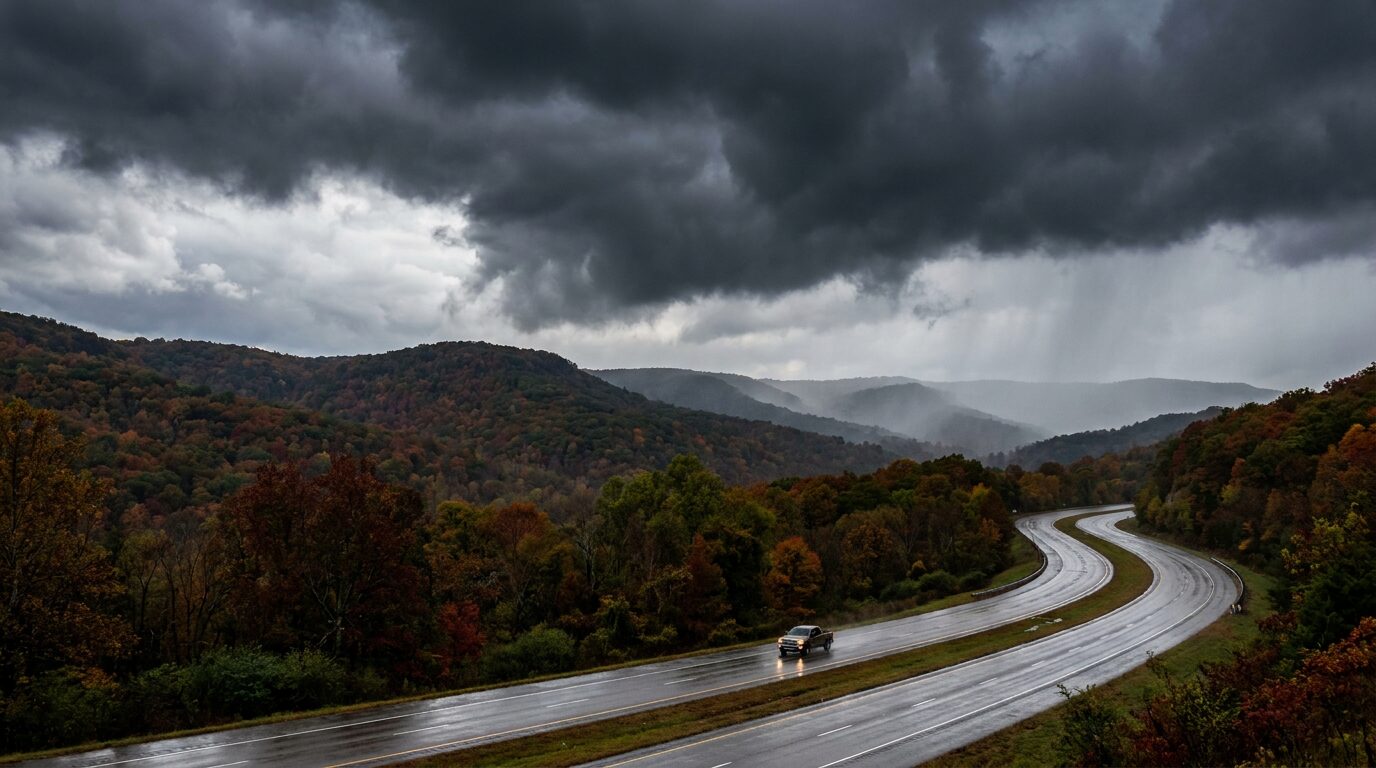
How Hills and Curves Affect Driving
- Limited sightlines on curves mean less reaction time if something’s in the road
- Steep grades put extra strain on brakes, especially on longer downhill stretches
- Fog tends to settle in low-lying valley areas, especially in early morning
- Gravel and loose shoulders are common on rural hill roads
Seasonal Weather Patterns
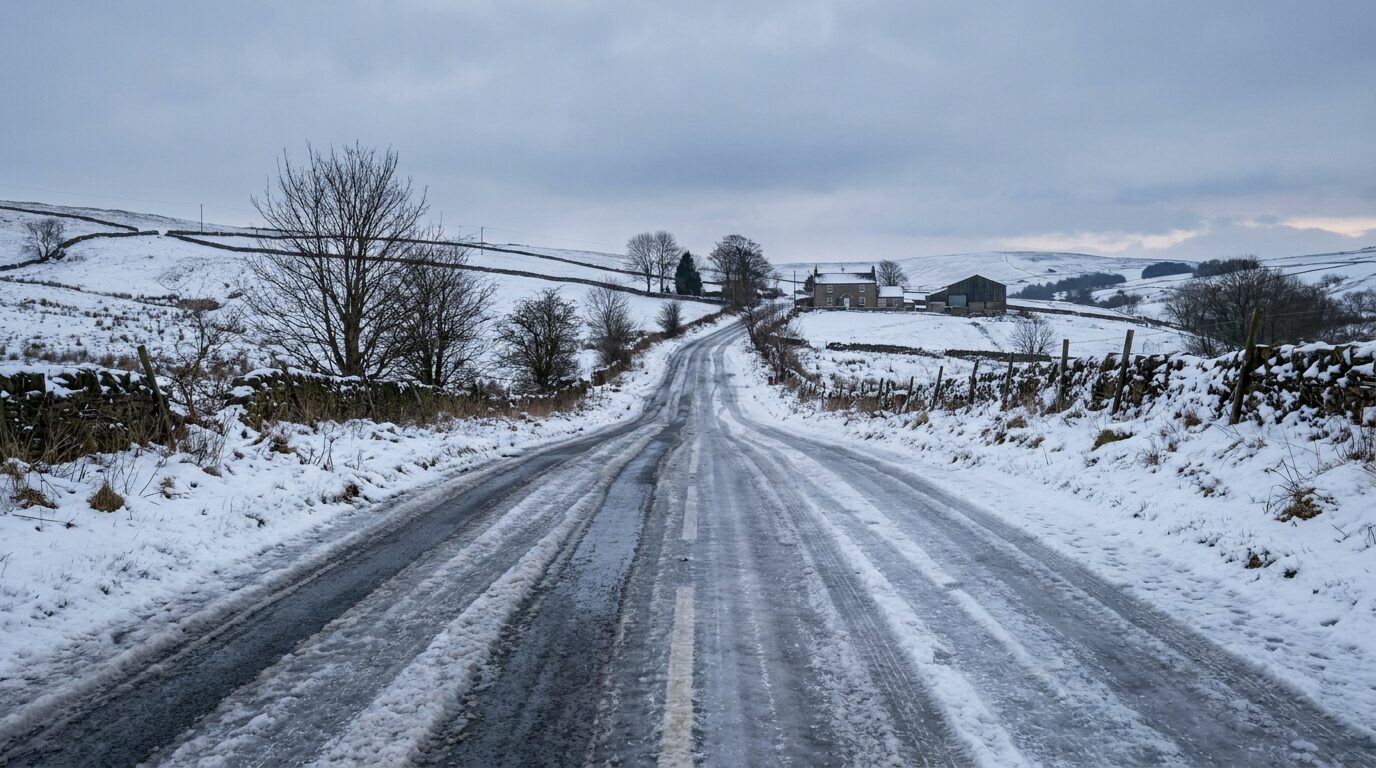
Summer brings sudden, heavy storms that can drop visibility fast, while winter can turn hilly rural roads icy well before flatter stretches clear up. Bridges and shaded curves tend to hold ice the longest.
Frequently Asked Questions
Where does ice tend to form first around Springfield?
Bridges, shaded curves, and hilly rural roads tend to ice before flatter, more open stretches.
Is fog a common issue in the Ozarks?
Yes — fog often settles in low valley areas, especially in the early morning, so extra caution helps on those stretches.
Do hilly roads need different driving habits than flat highways?
Yes — extra following distance and earlier braking help account for limited sightlines and grade-related brake strain.
Weather or terrain got the better of your commute? Springfield Towing Service is available 24/7, in any conditions. Contact us at (417) 243-9938.